Why Most Systems Fail (And How to Build Ones That Last)

Start Here
Most systems do not fail because the idea was bad.
They fail because the system was too complicated, too dependent on memory, too difficult to repeat, or never built around how people actually work.
A lasting system has to be usable under real conditions. It needs clear steps, reasonable maintenance, visible feedback, and enough flexibility to adapt without falling apart. When those pieces are missing, even a well-intended system becomes something people avoid, bypass, or abandon.
Before reading, consider where your own systems may be harder to maintain than they need to be.
Ask Yourself These Questions
Which systems in my work or home started strong but became difficult to keep using?
Where am I relying on motivation instead of structure?
Which process depends too much on memory, mood, or perfect conditions?
What part of the system creates the most friction?
Is the system simple enough to use when I am busy, tired, or under pressure?
Where would clearer storage, documentation, labeling, or sequencing make the system easier to maintain?
What would need to change for this system to last for years instead of weeks?
Systems are often built with good intentions.
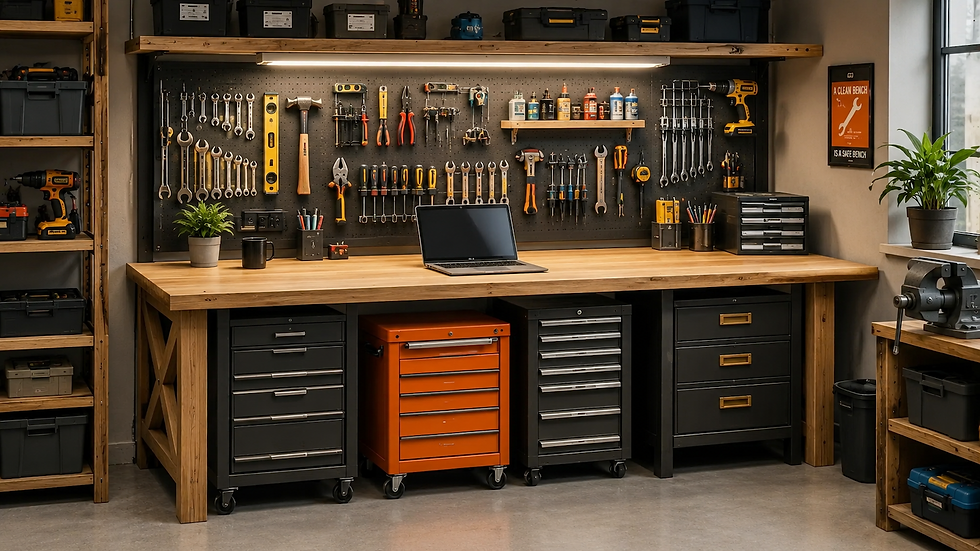
A workspace is organized. Tools are arranged. Storage is set up. Processes are defined. At first, everything feels efficient and easy to maintain.
But over time, something changes.
The system begins to break down.
Items are no longer returned to their place. Tools become harder to find. Workspaces feel cluttered again. Tasks take longer than they should. What once worked well becomes inconsistent.
This pattern is common—not because systems don’t work, but because most systems are not built to last.
Understanding why systems fail is the first step in building ones that hold over time.
The Problem: Systems That Work Once, But Not Repeatedly
Many systems are designed around a moment.
They are created during a reset, a reorganization, or a period of focus. During that time, everything is aligned. The system reflects ideal conditions.
But real environments are not static.
Tasks vary. Time is limited. Habits shift. New tools are added. Old patterns return.
When a system depends on ideal conditions, it begins to fail as soon as those conditions change.
This leads to:
gradual disorganization
inconsistent use of tools and equipment
repeated resets instead of long-term stability
frustration with systems that “should” work but don’t
The issue is not effort—it is sustainability.
The Shift: From Ideal Systems to Durable Systems
A system that works once is not enough.
A system that lasts must work under normal conditions—not perfect ones.
This requires a different approach.
Instead of asking:
“How should this be set up?”
The better question becomes:
“Will this still work when things get busy, inconsistent, or slightly off routine?”
Durable systems are built for real use.
They account for variation, limited time, and imperfect habits. They are designed to hold—even when attention is not constant.
Why Most Systems Break Down
System failure is rarely sudden. It happens through small, repeated breakdowns.
Over-complication
Complex systems require more effort to maintain.
Too many steps, too many categories, or overly specific organization methods make it difficult to stay consistent.
When effort increases, consistency decreases.
Lack of Integration
Systems often fail when they are not connected.
For example:
tools are organized, but not stored where they are used
safety equipment is available, but not part of the workflow
maintenance processes exist, but are not integrated into daily routines
When systems operate independently, they are harder to maintain together. These are common reasons that systems fail:
Inconsistent Habits
Even well-designed systems rely on consistent use.
If tools are not returned, if processes are skipped, or if routines are not followed, systems begin to degrade.
This is not a failure of discipline—it is often a sign that the system does not align with real behavior.
Ignoring Change Over Time
Environments evolve.
New tools are added. Tasks change. Workspaces expand. What worked initially may no longer fit current needs.
Systems that are not adjusted over time become outdated.
Prioritizing Setup Over Maintenance
Many systems are built with a strong focus on initial setup.
Less attention is given to how they will be maintained.
Without maintenance, even the best-designed systems will eventually fail.
What Makes a System Last
Durable systems are not perfect—they are practical.
They are built around consistency, simplicity, and real-world use. These are the types of actions that help systems last:
Simplicity Over Complexity
Simple systems are easier to follow.
Fewer steps, fewer categories, and clearer structure reduce the effort required to maintain them.
Simplicity supports repetition.
Integration Across Functions
Strong systems connect tools, storage, workspace, safety, and maintenance into a single structure.
Each part supports the others.
This reduces friction and makes the system easier to sustain.
Alignment With Real Behaviors
Systems must reflect how tasks are actually performed.
If a system requires behavior that does not match real use, it will eventually be bypassed.
Durable systems adapt to behavior rather than trying to control it.
Built-In Flexibility
Systems that last allow for change.
They can adjust as new tools are introduced, as tasks evolve, and as environments expand.
Flexibility prevents the need for complete resets.
Consistent Maintenance
Maintenance is what keeps systems functional over time.
Small, repeated actions—such as returning tools, maintaining storage, and performing regular checks—preserve structure.
Without maintenance, systems degrade.
Preventing System Breakdown
Preventing failure does not require rebuilding everything.
It requires reinforcing a few key areas:
simplify where possible
reconnect systems that have become separated
adjust structure to reflect current use
reinforce small, consistent habits
These adjustments are often enough to restore function without starting over.
Recognizing Early Signs of Failure
Systems rarely fail without warning.
Early signs include:
items being left out regularly
increased time spent searching for tools
workspaces becoming harder to maintain
repeated “quick fixes” instead of consistent processes
Recognizing these signs early allows for small corrections before larger breakdowns occur.
Building Systems That Improve Over Time
A well-built system does not remain static—it improves.
As it is used, it becomes more refined. Small adjustments make it more efficient.
Habits become more consistent.
Over time, the system requires less effort to maintain—not more.
This is the difference between systems that fail and systems that last.
A System That Works, Every Time
The goal of any system is not perfection.
It is consistency.
When a system works under normal conditions—when time is limited, when tasks vary, when attention shifts—it becomes reliable.
It supports the work instead of adding to it.
In the end, systems fail when they are built for ideal conditions.
They last when they are built for real ones.
When simplicity, integration, and consistency are prioritized, systems don’t just work once—they continue to work, every time they are needed.